What makes shrink wrapping solutions more sustainable? There is no single answer. Using less film, incorporating recycled content, choosing a material suited to an established recycling route, and considering compostable film where appropriate can all form part of a more considered packaging approach. The key is to look at the whole pack rather than focusing on one material claim. A suitable shrink film should use resources carefully whilst still providing the protection and performance the product requires.
As film technology and packaging machinery develop, businesses have more options when reviewing their packaging processes. From thinner films to alternative end-of-life routes, the right choice depends on the product, film, machinery, supply chain, and what happens to the packaging after use.
What Makes Shrink Wrapping More Sustainable?
A packaging solution should not be labelled sustainable simply because it uses less plastic or carries a recyclable or compostable claim. Several factors need to be considered together. These include:
•How much material is used per pack.
•Whether recycled content can be incorporated.
•Whether the finished pack can enter a suitable recycling stream.
•How well the packaging protects the product.
•How much waste is created during packing.
•What happens to the packaging after use.
This whole-system approach matters because reducing packaging can create a false saving if it leads to damaged products, failed seals, or additional wrapping.
Can Thinner Shrink Film Reduce Material Use?
Reducing film thickness can be a straightforward way to lower the amount of material used per pack, provided the film still performs as required. Modern films can be designed to provide suitable tear resistance, sealing, shrink performance, and strength at lower gauges. For a high-volume production line, even a small reduction in film used per pack can add up across thousands of products. However, thinner is not automatically better. If a lighter film fails during packing or transport, the business may need to rewrap products or deal with increased product damage. Any move to a thinner film should therefore be tested against the actual product and packing process.
Where Does Recycled Content Fit In?
Recycled content and recyclability are not the same thing. Recycled content refers to material that has already been recovered and incorporated into a new product. Using suitable recycled material can reduce the amount of virgin polymer needed to manufacture new film, subject to the requirements of the application. Recyclability, meanwhile, concerns what can happen to the packaging after use. Keeping these concepts separate makes it easier for businesses to assess what a particular film actually offers rather than relying on a broad environmental claim.
What About Recyclable Shrink Film?
A film being technically recyclable does not mean it will automatically be collected and recycled. The result depends on factors such as the film structure, local collection systems, sorting processes, and available reprocessing routes. Businesses should therefore consider the waste stream that their customers or waste contractor can actually access. Where a recyclable film is suitable for the intended application and can enter an appropriate recycling route, it may form part of a more circular packaging approach.
How Does Packaging Weight Affect Resource Use?
Shrink film is lightweight, which can be useful when packaging large numbers of products. Reducing the mass of packaging may also reduce the amount of raw material required for each pack. Transport can be another consideration, although lower packaging weight does not automatically mean lower transport impact. The effect depends on the wider supply chain, including product weight, pack dimensions, vehicle capacity, and how goods are handled. The same principle applies to storage. A close-fitting shrink pack may use less space than a larger alternative in some applications, but this should be assessed against the actual packaging format being replaced.
Can Shrink Wrapping Reduce Other Packaging Materials?
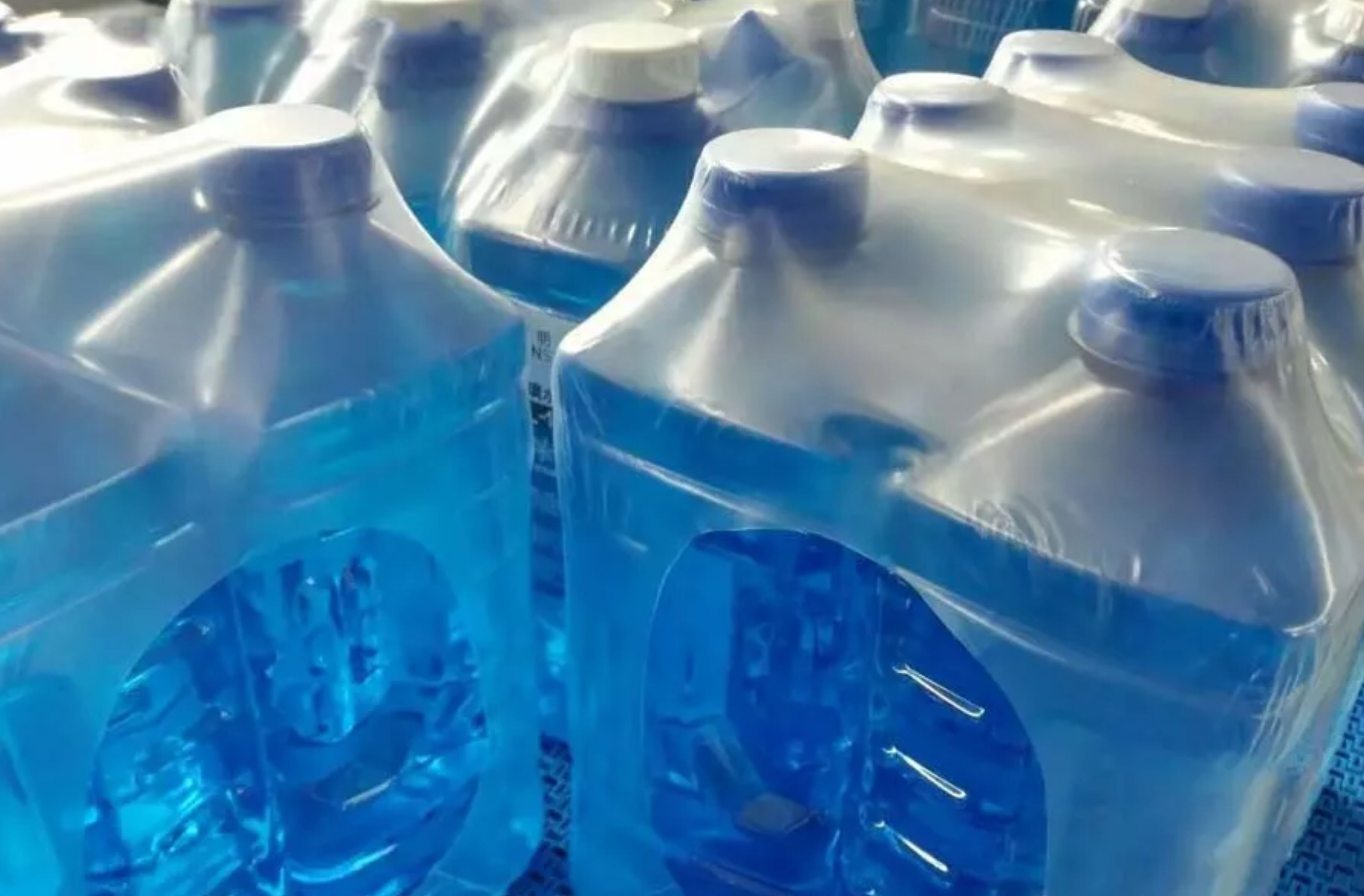
In suitable applications, shrink film can group several products together without requiring additional trays or other components. This can be useful for multipacks of products such as bottles, cans, and cartons. By using one film layer to hold the products together, a business may be able to simplify the pack structure. However, shrink film cannot replace every form of secondary packaging. Some products still need trays, boxes, inserts, or other support for handling, stacking, or protection.
How Can Machinery Help?
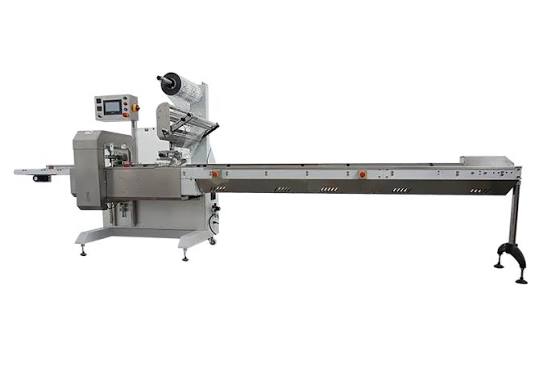
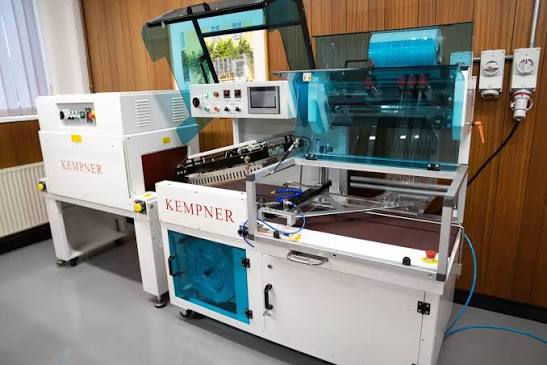
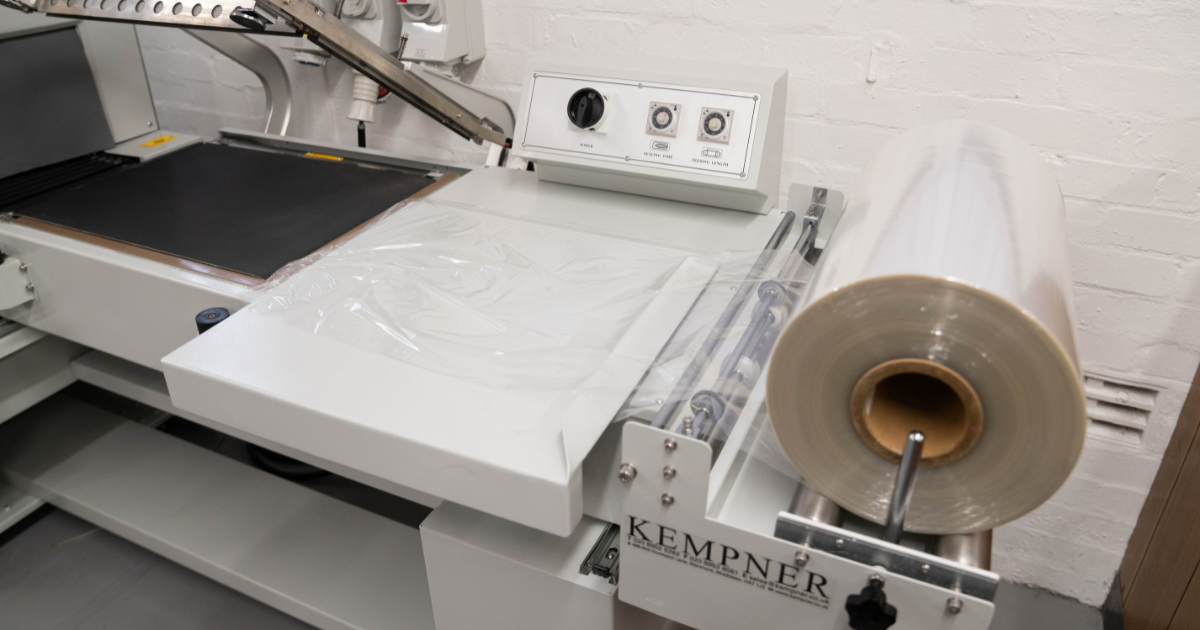
Packaging machinery can support better control over film use and the packing process.
Reducing Film Waste
Accurate wrapping and sealing can help reduce failed packs, excess film, and the need for rewrapping. Consistent machine settings can also make it easier to identify and correct problems during production. Automation does not automatically make a packaging process more sustainable, though. Machinery also uses energy, particularly where heat is required for shrinking film.
Managing Energy Use
When reviewing shrink wrapping equipment, businesses can consider factors such as heat settings, warm-up times, operating hours, and the amount of product processed during each production run. The aim is not simply to use less energy, but to achieve the required packing result without unnecessary resource use.
Why Does Product Protection Still Matter?
Using less packaging only makes sense if the product remains adequately protected. A damaged product can result in replacement goods, additional transport, wasted raw materials, and further packaging. For food and other goods with a high resource input, losing the product itself can have a far greater environmental cost than the packaging used to protect it. The most suitable shrink wrapping approach is therefore one that balances material use with the level of protection the product actually needs.
When Does Compostable Shrink Film Make Sense?
Compostable shrink film gives businesses another option to consider, but it should not simply be treated as a better replacement for every conventional film. Compostable materials are designed to break down under specified composting conditions. They need the correct environment, processing conditions, and end-of-life route to deliver the intended result.
Choosing the Right Shrink Wrapping Approach
There is no single film or machine that is right for every application. Before changing a packaging system, consider:
•Product size, shape, and heat sensitivity.
•Film thickness and performance.
•Recycled content, where suitable.
•The intended recycling or composting route.
•Film waste during production.
•Product protection.
•Machinery settings and energy use.
•The amount of packaging used per product.
Looking at these factors together gives businesses a more useful basis for comparing packaging options.
Compostable Shrink Film from Kempner
For businesses exploring an alternative to conventional shrink film, Kempner supplies compostable shrink film. The product is intended for applications where compostable film is suitable and where an appropriate end-of-life route is available.
Businesses considering a change should review the film's current product specifications, certification, application guidance, and disposal requirements before making a decision. This helps ensure the material is suitable for both the packaging process and the intended end-of-life route. Explore our shrink-wrap materials or call 020 8952 5262 for further information.
Summary
More sustainable shrink wrapping is not simply about choosing a film labelled recyclable or compostable. It involves using an appropriate amount of material, maintaining product protection, considering recycled content, managing production waste, and making sure the chosen end-of-life route is realistic. For some applications, lightweight recyclable film may be the right approach. For others, compostable film may be worth considering. By looking at the complete packaging system rather than one feature in isolation, businesses can make more informed choices about their shrink wrapping.