Products can pass through several stages before they reach the customer, from manufacturing and storage to handling, transport and retail display. At each stage, packaging has a role to play in keeping products protected and presentable. Polythene wrapping provides a flexible protective layer around individual products, multipacks and other packaged goods. Depending on the film and application, it can help protect surfaces from dust, dirt, moisture and scuffing whilst keeping products together during handling and transport. For businesses, the important consideration is choosing a polyethylene film that matches the product, packaging process, and conditions it will experience.
What Is Polythene Wrapping?
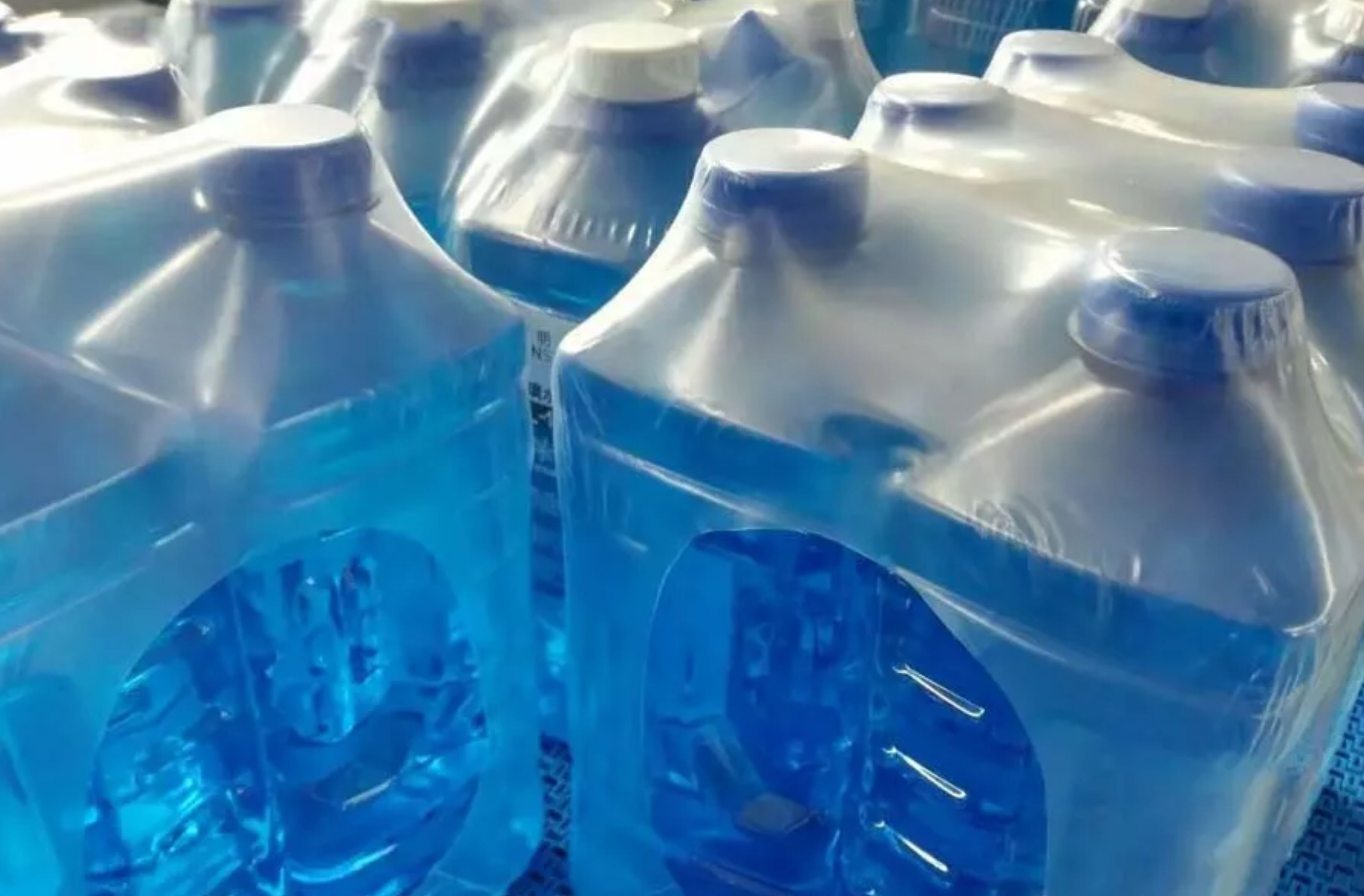
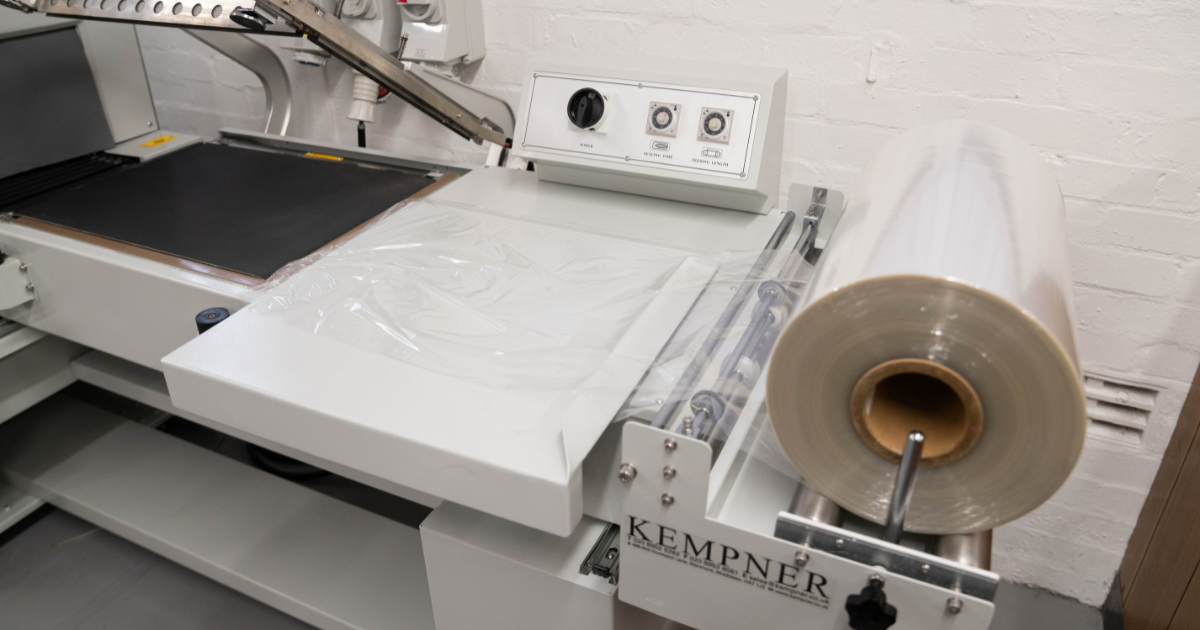
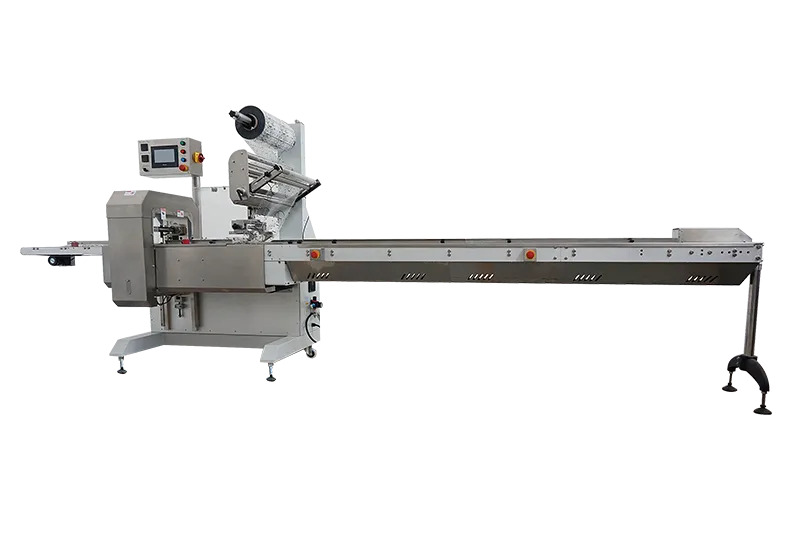
Polythene wrapping uses polyethylene film to enclose or secure products. The film can be applied manually or with packaging machinery, including semi-automatic and fully automated systems. Some applications use the film as a loose protective layer, whilst shrink film can be heated so that it contracts around the product or pack. This creates a close-fitting covering that can help keep items together and reduce unwanted movement.
Polyethylene Film for Different Packaging Applications
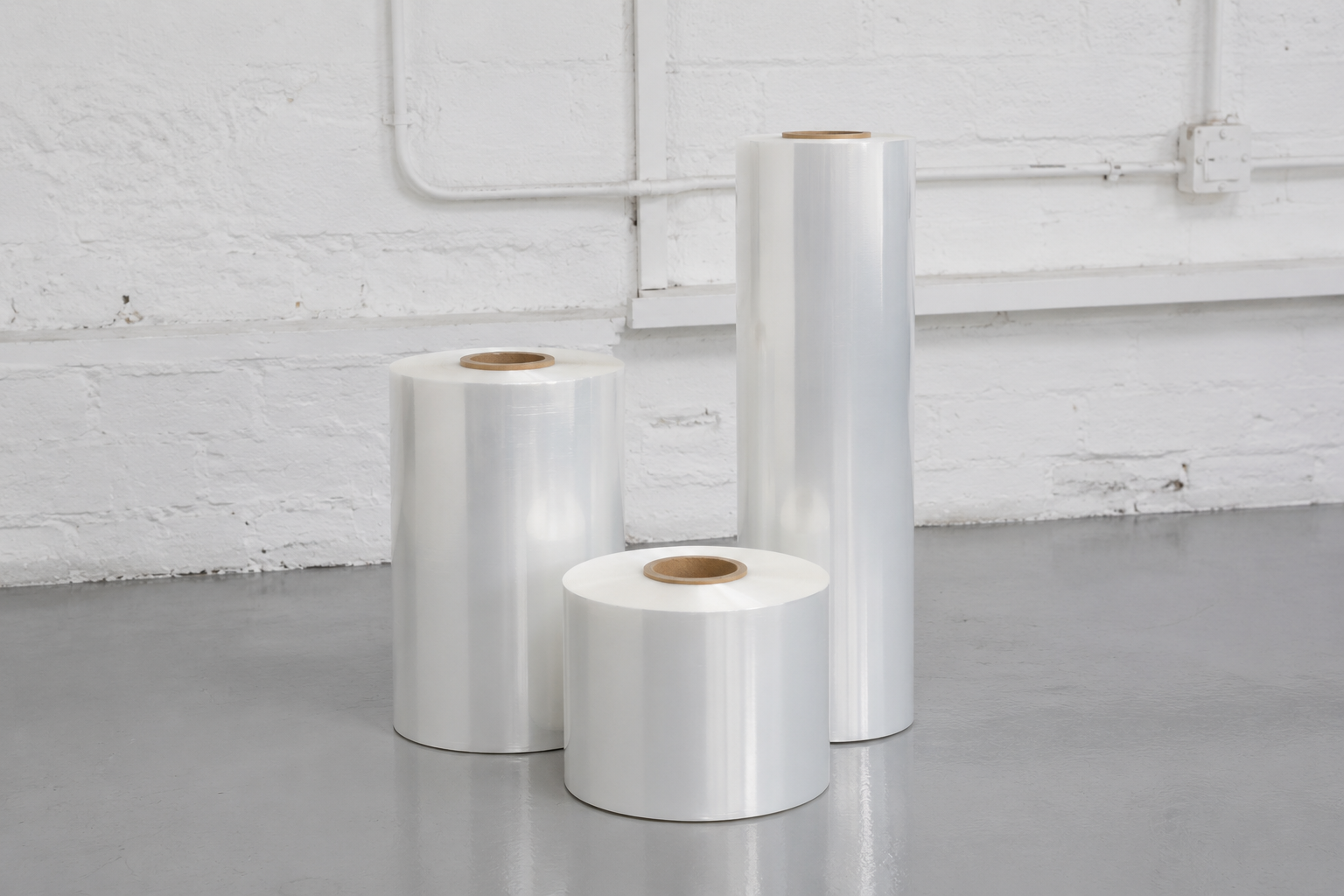
Polyethylene films are available in different formulations and specifications. LDPE and LLDPE films, for example, can offer different combinations of flexibility, strength, and performance depending on the application. The right choice depends on factors such as product size, weight, packaging speed, handling conditions, and the level of protection required.
Shrink Wrapping and Product Fit
Shrink wrapping can be particularly useful for multipacks and products that need to remain grouped together. Once the film has been applied and shrunk, it can hold the items in position whilst providing a protective outer layer. This can also create a neat, consistent finish for products intended for retail environments.
Protecting Products During Storage and Transport
Products can be exposed to dust, dirt, friction and repeated handling whilst moving through the supply chain. Polythene film can provide a barrier between the product and these external conditions. The level of protection will depend on the film specification and how it is applied, but suitable wrapping can help reduce surface contamination and damage during ordinary handling.
Protection from Dust and Dirt
Enclosing products in film can help prevent dust and dirt from settling directly on their surfaces. This can be particularly useful for products that need to remain clean between manufacturing, storage and final delivery. The film can also make packaged goods easier to handle without directly touching the product itself.
Reducing Scuffing and Surface Damage
Polythene film can help protect products from scratches, rubbing, and other minor surface damage that may occur when items are handled or transported. For products where appearance matters, this additional layer can help preserve the condition of the outer surface until the packaging is removed.
Supporting Product Hygiene
Packaging can also contribute to hygienic handling by providing a physical barrier between a product and its surrounding environment. For food, healthcare, cosmetic and other consumer applications, however, the film must be suitable for its intended use. The packaging material itself should meet the relevant requirements for the application rather than being assumed to be suitable simply because it is made from polyethylene.
Food and Consumer Products
Where polyethylene film is used around food or other products with specific hygiene requirements, businesses should select a film designed and approved for that particular application. The film can help reduce exposure to external contamination, but it should be considered as one part of the wider packaging and handling process.
Using Suitable Packaging Materials
Material selection matters. Businesses should consider the product, intended use, sealing method, and storage conditions when choosing film. Following the manufacturer's specifications can help ensure that the selected film is being used within its intended application.
Can Polythene Wrapping Provide Tamper Evidence?
Shrink wrapping can make interference with a package more noticeable because the film may need to be cut, torn or otherwise disturbed to access the product. However, polythene wrapping should not automatically be described as tamper-evident. The level of tamper evidence depends on the complete packaging design, sealing method, and application. Where tamper evidence is important, businesses should select a packaging system specifically designed to provide the required level of protection.
Keeping Multipacks and Products Secure
One of the practical advantages of shrink film is its ability to hold multiple products together. Multipacks can shift during handling if they are not adequately secured. Wrapping them as a single unit can help maintain their arrangement during storage, palletising and transport. This can reduce the need for additional handling and help products arrive in the configuration intended by the manufacturer.
Maintaining Product Presentation
Protection does not have to come at the expense of visibility. Clear polyethylene films can allow customers and staff to see the product and its labelling without removing the outer packaging. For retail products, this can help maintain a clean and consistent presentation whilst keeping the goods enclosed. The film specification should still be selected according to the application. Features such as clarity, perforation, printing, or anti-fog treatments may be relevant for particular products.
Choosing the Right Polythene Film
The most suitable film depends on how it will be used. Consider the product dimensions, weight, packaging format, required protection, and wrapping equipment before making a choice.
LDPE and LLDPE Film
LDPE and LLDPE films can provide different combinations of flexibility, strength, and stretch characteristics. The appropriate formulation depends on the packaging application and the performance required. Rather than selecting film based on material name alone, businesses should consider the manufacturer's specification and how the film will behave on their particular packaging line.
Manual and Automated Wrapping
Polythene film can be used across different packaging operations, from manual wrapping to high-speed automated production. For businesses using machinery, film compatibility is particularly important. The film needs to work with the equipment, sealing process and required production speed to achieve consistent results.
Polythene Wrapping and Packaging Efficiency
The right film can contribute to a more consistent wrapping process, particularly when used with suitable machinery. For manufacturers handling large volumes, factors such as film perfo
Polythene Shrink Wrap from Kempner
At Kempner, we supply a range of polyethylene (PE) shrink wrap films designed for different packaging requirements. The range includes LDPE and LLDPE options, with films suitable for manual, semi-automatic, and fully automated applications. Depending on the product and process, available options can provide different combinations of strength, clarity, flexibility, tear resistance, and shrink performance. Specialist treatments such as anti-fog, perforation, and printing are also available for particular applications.
We also offer film options incorporating recycled content and recyclable materials, helping businesses consider material use and end-of-life requirements alongside packaging performance. Whether you need to wrap individual products, secure multipacks or integrate shrink film into an automated production line, browse our polythene shrink wrap range to explore the available options. You can also contact us if you need help identifying a suitable film.
Summary
Polythene wrapping can play an important role in protecting product condition throughout storage, handling, and transport. It can help shield surfaces from dust and scuffing, hold multipacks together and provide a clean outer layer without necessarily hiding the product from view. The key is to match the film to the application. Product type, required protection, packaging equipment, sealing method, and intended use should all be considered before selecting a polyethylene film. With the right specification and application, polythene wrapping can support both product integrity and an efficient packaging process.