Frozen poultry needs to remain in good condition throughout a supply chain that can involve processing, packaging, cold storage, transport, distribution, and retail. Freezing is an important part of preserving poultry, but packaging also plays a role in protecting the product from the conditions it encounters after it has been packed.
Poultry shrink wrap can provide a close-fitting outer layer around poultry products, helping to limit exposure to external contamination, moisture movement, and surface abrasion. It can also hold products or multipacks together during handling and transport. The important point is that packaging is only one part of maintaining frozen poultry quality. Freezing conditions, storage temperatures, handling procedures, and the suitability of the film all matter. The right shrink film can complement these controls by providing an appropriate protective barrier around the product.
Why Does Packaging Matter for Frozen Poultry?
Frozen poultry can be exposed to a range of conditions after leaving the production line. Products may be moved between storage areas, loaded onto pallets, transported to distribution centres, and eventually displayed for sale. During these stages, packaging can help protect the product from physical contact, dust, dirt, and other external influences. It can also help keep individual items or multipacks together, making them easier to handle.
For frozen products in particular, packaging needs to work alongside controlled storage and transport conditions. A suitable film can help reduce unnecessary exposure to the surrounding environment, but it cannot compensate for poor temperature control or inappropriate handling.
What Is Poultry Shrink Wrap?
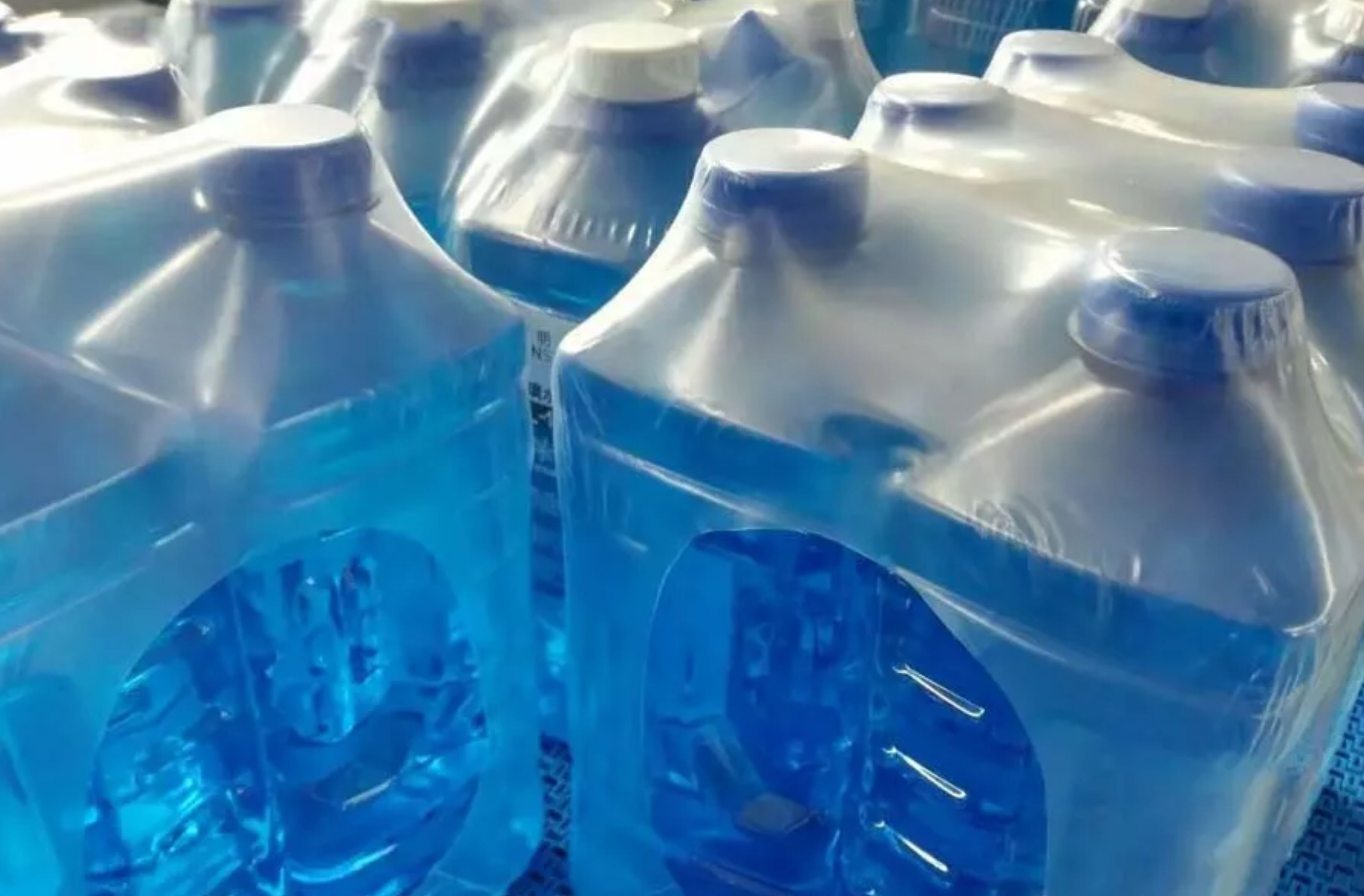
Poultry shrink wrap refers to shrink film used to enclose poultry products or packs. The exact material, construction, and suitability depend on the particular film being used. Shrink film is supplied in a loose format before heat is applied. Once the film has been positioned around the product, controlled heat causes it to contract and conform more closely to the shape of the pack. This close fit can reduce loose material around the product and create a consistent outer covering. It can be useful for individual poultry products, multipacks, and other formats where keeping the contents together is important.
How Is Shrink Film Applied?
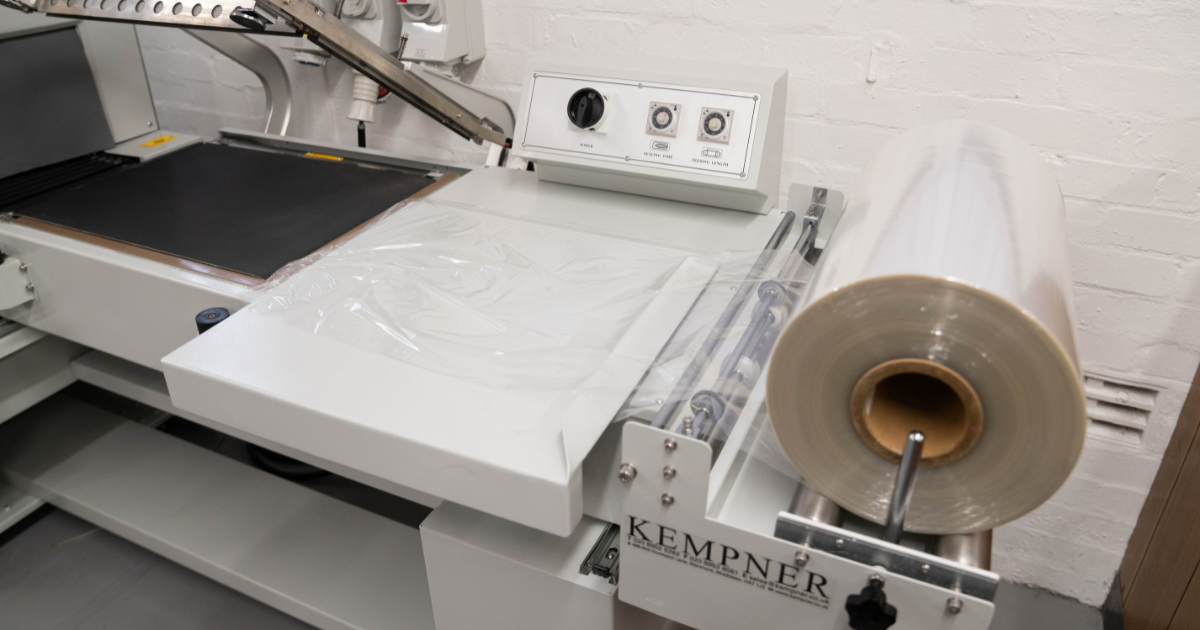
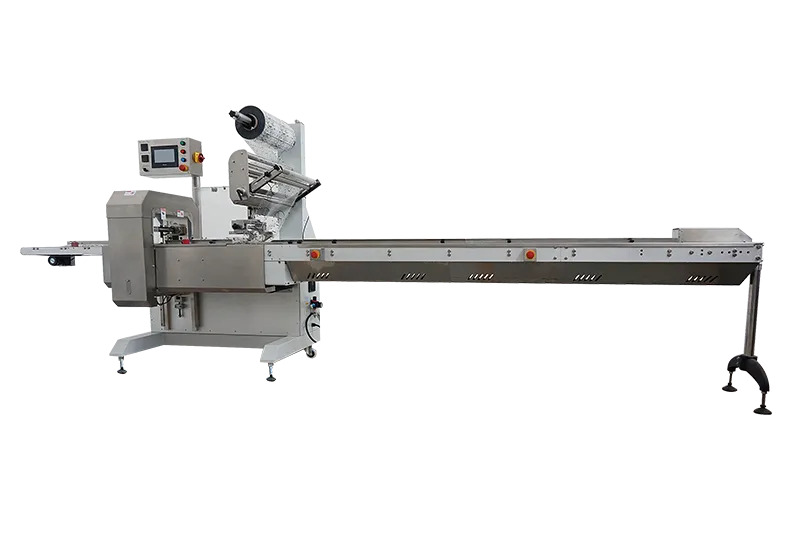
The application method depends on the scale and requirements of the packaging operation. Smaller operations may use manual equipment, whilst larger processors can use semi-automatic or fully automated systems. Heat tunnels and other specialist equipment can be incorporated into production lines where higher throughput is required.
The film and machinery should be selected as a compatible system. Factors such as sealing performance, shrink characteristics, product dimensions, and production speed can all affect the finished package.
Choosing the Right Film for the Application
There is no single shrink film that is automatically suitable for every poultry application. Businesses should consider the product being wrapped, the required level of protection, the packaging equipment, storage conditions and any applicable food-contact requirements. The manufacturer's specification should always be used to confirm whether a particular film is suitable for the intended application.
How Can Shrink Wrap Help Protect Frozen Poultry?
Once applied, shrink film creates a close-fitting barrier around the product. This can help reduce direct exposure to the surrounding environment during storage and transport. The exact level of protection depends on the film specification and the way it is applied, but several practical benefits can make shrink wrapping useful for frozen poultry.
Limiting Exposure to Air and Moisture
Exposure to air and moisture movement can contribute to quality changes in frozen food. Appropriate packaging can help reduce this exposure by creating a protective layer around the product. Shrink film should not be described as automatically creating an airtight package, however. The performance of the complete package depends on the film, seals, equipment and application process. For frozen poultry, this distinction matters because packaging is intended to work alongside suitable freezing and cold-storage practices rather than replace them.
Reducing Surface Damage
Frozen poultry can be subject to rubbing and handling during processing, storage, and transport. A suitable film can help protect exposed surfaces from scuffing and abrasion. The close-fitting nature of shrink wrap can also reduce unnecessary movement of the packaged product, which may help maintain its presentation whilst it moves through the supply chain.
Understanding Freezer Burn and Packaging
Freezer burn occurs when frozen food loses moisture from its surface, often resulting in dry or discoloured areas. Packaging can help reduce the conditions that contribute to this moisture loss by limiting exposure to air and reducing moisture movement around the product. However, packaging is not the only factor involved.
Freezing rate, storage temperature, temperature fluctuations, storage duration, and the characteristics of the food itself can all influence frozen product quality. A suitable shrink film should therefore be considered part of a broader frozen-food preservation process. This is why it is better to say that shrink wrapping can help protect against conditions associated with freezer burn rather than claiming that it prevents freezer burn completely.
Protecting Flavour and Product Quality
Packaging can also help protect the sensory qualities of frozen poultry by reducing exposure to external odours and contaminants. A suitable barrier can help keep the product enclosed during storage and transport, which is particularly useful where poultry may be stored alongside other products. For seasoned or prepared poultry products, maintaining the integrity of the package can also help keep the contents contained during handling.
The final flavour and texture of frozen poultry depend on many factors, including the original product, processing, freezing method, storage conditions and cooking. Shrink wrap supports this process by helping protect the packaged product rather than controlling these characteristics by itself.
Supporting Hygienic Handling
Food packaging has an important role in helping protect products from external contamination after processing. A sealed or closely enclosed package can reduce direct contact between the poultry and the surrounding environment during storage and distribution. It can also provide a consistent outer surface that is easier to handle than an exposed product. However, packaging should always be considered alongside the wider hygiene controls used during poultry processing and distribution.
Food-Contact Suitability
Where shrink film is intended to come into direct contact with poultry or other food products, the specific film must be suitable for that purpose. Businesses should check the manufacturer's documentation and ensure that the selected material meets the relevant food-contact requirements for the intended application. Simply describing a material as “food-safe” is not enough. Suitability depends on the specific film, intended use, and applicable requirements.
Packaging as Part of a Wider Food-Safety System
Shrink film can form part of a wider food-safety system, but it does not by itself make a production process compliant with HACCP or other food-safety requirements. Temperature control, hygiene procedures, cleaning, handling, storage and transport all remain important. The role of packaging is to provide an appropriate protective layer within that wider system.
Benefits During Storage and Transport
Poultry packaging needs to withstand more than the moment when the product leaves the production line. Products can be moved several times before reaching their final destination. Shrink film can help by keeping products enclosed and, where appropriate, securing multipacks into a more stable unit.
Keeping Products Together
Multipacks can move or separate during handling if they are not adequately secured. A close-fitting layer of shrink film can help hold the products together, reducing unnecessary movement during storage and transport. This can be particularly useful where several poultry products are supplied as a single retail or distribution pack.
Supporting Palletising and Handling
Consistent packaging can make products easier to arrange, stack and handle. The extent of any space or efficiency benefit will depend on the product dimensions, packaging format and wrapping process. Businesses should therefore assess the complete packaging operation rather than assuming shrink wrapping will automatically reduce pallet space or handling costs. In higher-volume environments, automated shrink-wrapping systems can also help maintain consistent packaging output.
Shrink Wrapping Across Different Production Environments
Poultry processors operate at different scales, so the packaging approach needs to match the production environment.
Manual Packaging
Manual shrink-wrapping equipment can be appropriate for smaller production volumes or applications where flexibility is more important than maximum throughput. Operators can wrap individual products or smaller batches whilst changing between product formats as required.
Automated Production Lines
Larger poultry processors may require automated packaging systems capable of handling high volumes consistently. When shrink film is integrated with machinery, factors such as film feed, sealing, shrink performance and line speed become increasingly important. The right combination of film and equipment can help businesses maintain consistent packaging whilst keeping production moving efficiently.
Poultry Shrink Wrap from Kempner
At Kempner, we supply polyethylene and other packaging film solutions for businesses with different wrapping requirements. The available film specification, material, and intended application should be checked against the particular poultry packaging process before selection. For processors using shrink-wrapping equipment, factors such as film performance, machinery compatibility, pack format, and production volume can all influence the most appropriate solution.
Our polyethylene shrink wrap film range provides an option for businesses looking to use shrink film as part of their packaging process. If you need advice on selecting a suitable film for your application, contact us to discuss your requirements or browse the website for more information.
Summary
Poultry shrink wrap can provide a practical protective layer for frozen products during storage, handling, and transport. By enclosing the product closely, suitable film can help limit exposure to external contamination, reduce surface abrasion, and keep multipacks together. It is important, however, to view shrink film as one part of the overall packaging and food-safety process. Freezing conditions, temperature control, hygiene procedures, film specification and application method all influence the final result.
For poultry processors, the best approach is to select a film based on the actual product, packaging equipment, and supply-chain requirements. With the right specification, shrink wrapping can support consistent packaging, product protection and efficient handling from production through to distribution.