In the printing and publishing industry, producing high-quality printed materials is only one part of the overall process, and once items like books, magazines, brochures, and catalogues have been printed, they must all then be carefully handled, protected, and prepared for distribution. This stage, known as print finishing, is crucial in ensuring that the final product reaches the customer in perfect condition.
Printed materials are particularly vulnerable during this stage. Edges can become bent, covers can be scratched, and pages can shift or become creased if they aren’t properly secured. At the same time, presentation remains extremely important. No matter if a business is distributing marketing brochures or selling premium publications, the packaging must reflect the quality of the product inside, and this is where semi-automatic shrink wrap machines offer a practical and reliable solution. They allow printing businesses to package materials securely and consistently, providing both protection and a professional finish, along with a variety of other benefits that make this specific machinery well worth the investment. Let’s explore semi-automatic shrink wrap machines in more detail and how they can serve the printing and publishing industry.
Understanding the Basics: What Is a Semi-Automatic Shrink Wrap Machine?
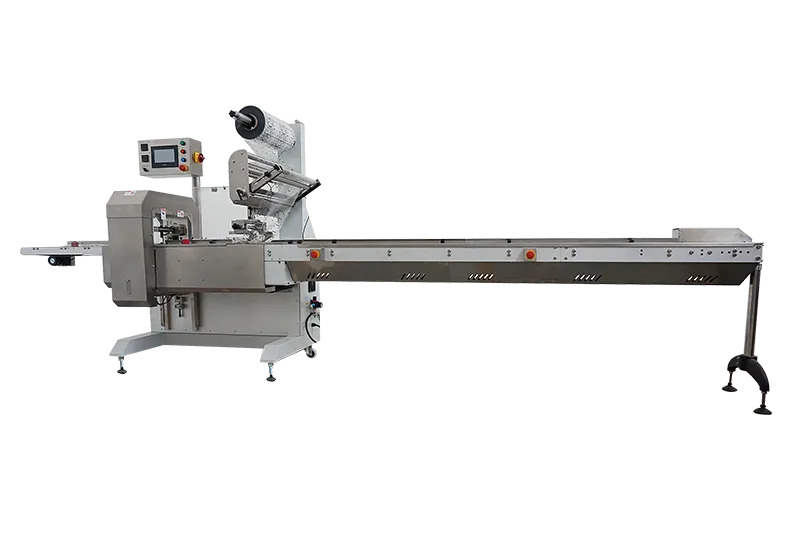
A semi-automatic shrink wrap machine is a packaging system that combines manual input with automated sealing and shrinking processes. Unlike fully automatic machines, which handle everything from feeding to sealing without operator involvement, semi-automatic systems require an operator to place and position the product before initiating the sealing process. This level of involvement might sound like a limitation, but in reality, it offers a significant advantage for printing businesses. Print environments often deal with varying product sizes, short production runs and frequent job changes. The flexibility of a semi-automatic system allows operators to adapt quickly, making it even more practical than rigid, fully automated machinery in many cases.
Why Shrink Wrapping Is Essential in Printing and Publishing
Protecting Printed Materials
Printed products are highly susceptible to environmental damage, especially during storage and transportation. Dust, moisture and frequent handling can quickly degrade the quality of items such as magazines or brochures. Shrink wrapping creates a sealed barrier around each product, preventing external elements from affecting the surface or internal pages. This protection is particularly important for large print runs that may be stored for extended periods before distribution. Without proper packaging, even minor exposure to environmental factors can lead to significant losses.
Maintaining Presentation Quality
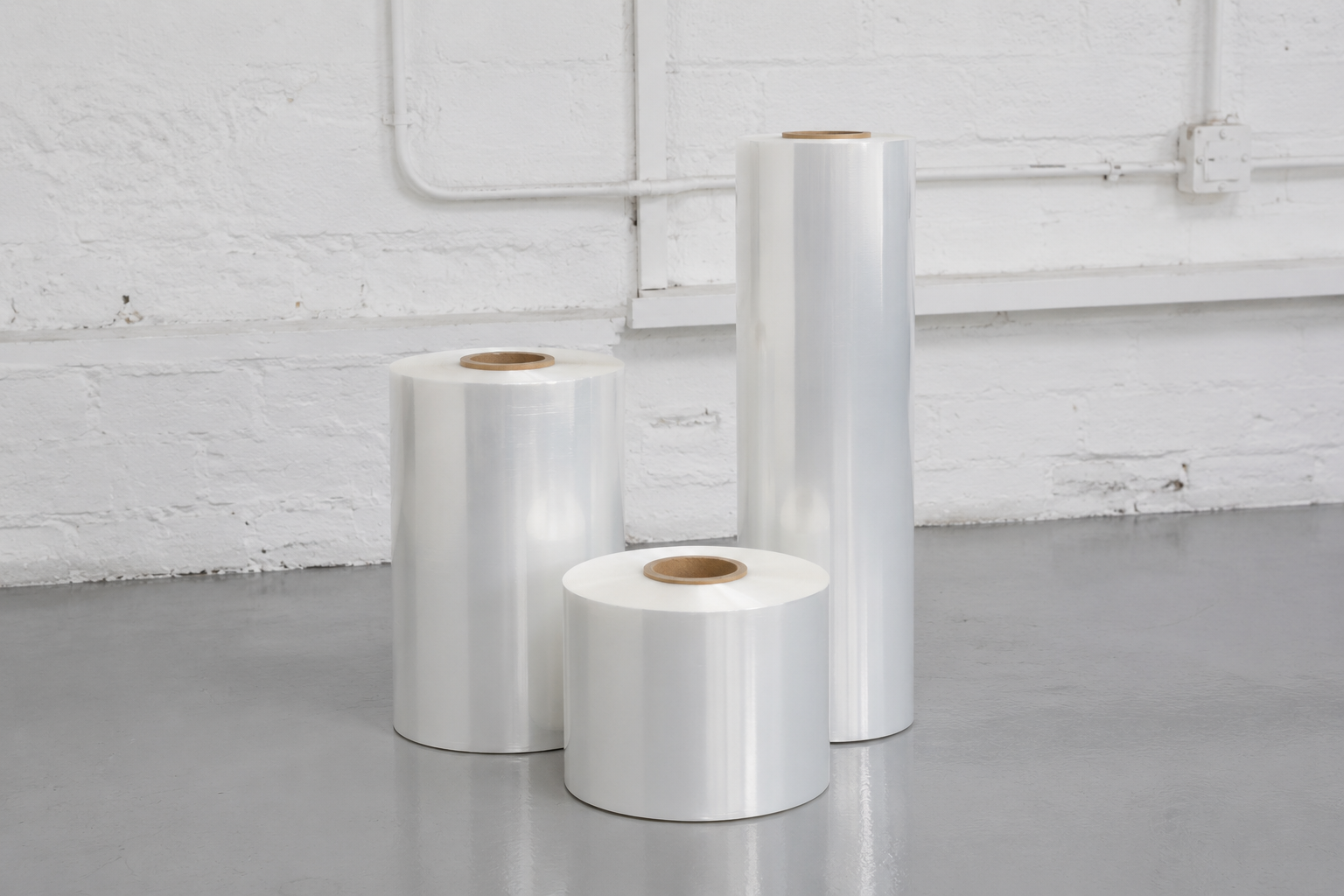
Appearance is crucial when it comes to print, and a beautifully designed brochure or magazine can lose its impact if it arrives creased, scratched, or poorly presented. Shrink wrapping helps printed materials retain their crisp edges and clean surfaces, preserving the visual quality intended by the designer. The clear film can also enhance presentation by allowing the product to remain fully visible whilst giving it a polished, professional finish, and this is especially valuable in retail environments where presentation directly influences purchasing decisions.
Keeping Items Secure and Organised
Printing operations often involve bundling multiple items together, such as stacking newspapers, grouping brochures, or assembling direct mail packs. Without secure packaging, these items can easily shift, separate or become disorganised during handling. Shrink wrapping holds items firmly in place, maintaining alignment and ensuring that grouped materials remain intact throughout the supply chain. This can not only improve efficiency but also reduce the risk of errors or missing components.
Benefits of Using a Semi-Automatic Shrink Wrap Machine in Printing
1. Flexibility for Different Print Sizes
Printing businesses rarely deal with one standard product size, and jobs can range from small leaflets to large-format catalogues, often within the same production schedule. Semi-automatic machines allow operators to quickly adjust to different sizes and formats without requiring complex reconfiguration. This flexibility makes it easier to manage varied workloads and means that packaging processes can keep up with changing production demands.
2. Improved Efficiency Without Full Automation
Fully automated packaging systems can be expensive and might not always be suitable for smaller or more varied operations, and semi-automatic machines provide a middle ground, offering improved speed and consistency whilst still allowing operator control. This means businesses can increase productivity without the need for a significant investment in complex automation, making it a practical solution for many print environments.
3. Consistent Packaging Quality
Manual packaging methods can lead to inconsistencies, with variations in tightness, alignment, or finish. Semi-automatic shrink wrap machines standardise the process, allowing each product to be sealed and wrapped to the same standard. This consistency is particularly important for businesses that need to maintain a professional image, as it ensures every packaged item meets the same quality expectations.
4. Cost-Effective Solution for Print Businesses
For many printing companies, particularly small to medium-sized operations, cost is a major consideration. Semi-automatic machines offer a more affordable alternative to fully automated systems whilst still delivering significant improvements in efficiency and quality. Over time, the reduction in damaged goods, improved workflow and increased output can lead to noticeable cost savings.
Applications of Semi-Automatic Shrink Wrap Machines in Printing
Wrapping Books and Magazines
Semi-automatic shrink wrap machines are widely used to wrap individual books and magazines, particularly in publishing environments where protecting the cover is essential. The shrink film acts as a protective layer that prevents scuffing, scratching and general wear during handling and transport. For magazines, which are often distributed in large quantities, this protection ensures that each copy reaches retailers or customers in a saleable condition. For books, especially premium or hardback editions, shrink wrapping helps preserve the quality and value of the product.
Bundling Brochures and Leaflets
Marketing materials such as brochures, leaflets and catalogues are frequently produced in bulk and need to be grouped into manageable bundles. Semi-automatic shrink wrap machines allow these items to be collated neatly and wrapped tightly, creating stable packs that are easy to store, transport and distribute. This is particularly useful for businesses handling multiple campaigns at once, as it ensures each batch remains organised and clearly separated.
Packaging Direct Mail Campaigns
Direct mail campaigns often involve combining several printed components, such as letters, flyers and inserts, into a single package, and keeping these elements together in the correct order is essential for making sure that the campaign is delivered as intended. Shrink wrapping provides a secure solution by holding all components in place, reducing the risk of misplacement or damage before dispatch. It also helps maintain a clean and professional appearance, which is important for brand perception.
Protecting High-Value Print Runs
For high-end printed materials, such as luxury catalogues or limited-edition publications, packaging plays a key role in preserving quality. Semi-automatic shrink wrap machines allow these items to be packaged carefully and consistently, meaning they remain in pristine condition from production to delivery. The added protection also helps prevent costly damage, making it an essential step for premium print products.
Supporting Printing and Publishing with Our Semi-Automatic Shrink Wrap Machines
At Kempner, our semi-automatic shrink wrap machinery is designed to deliver both flexibility and reliability for the printing and publishing industry. With over 50 years of experience, we provide solutions that allow print operations to package a wide range of products efficiently, from small brochures to larger publications.
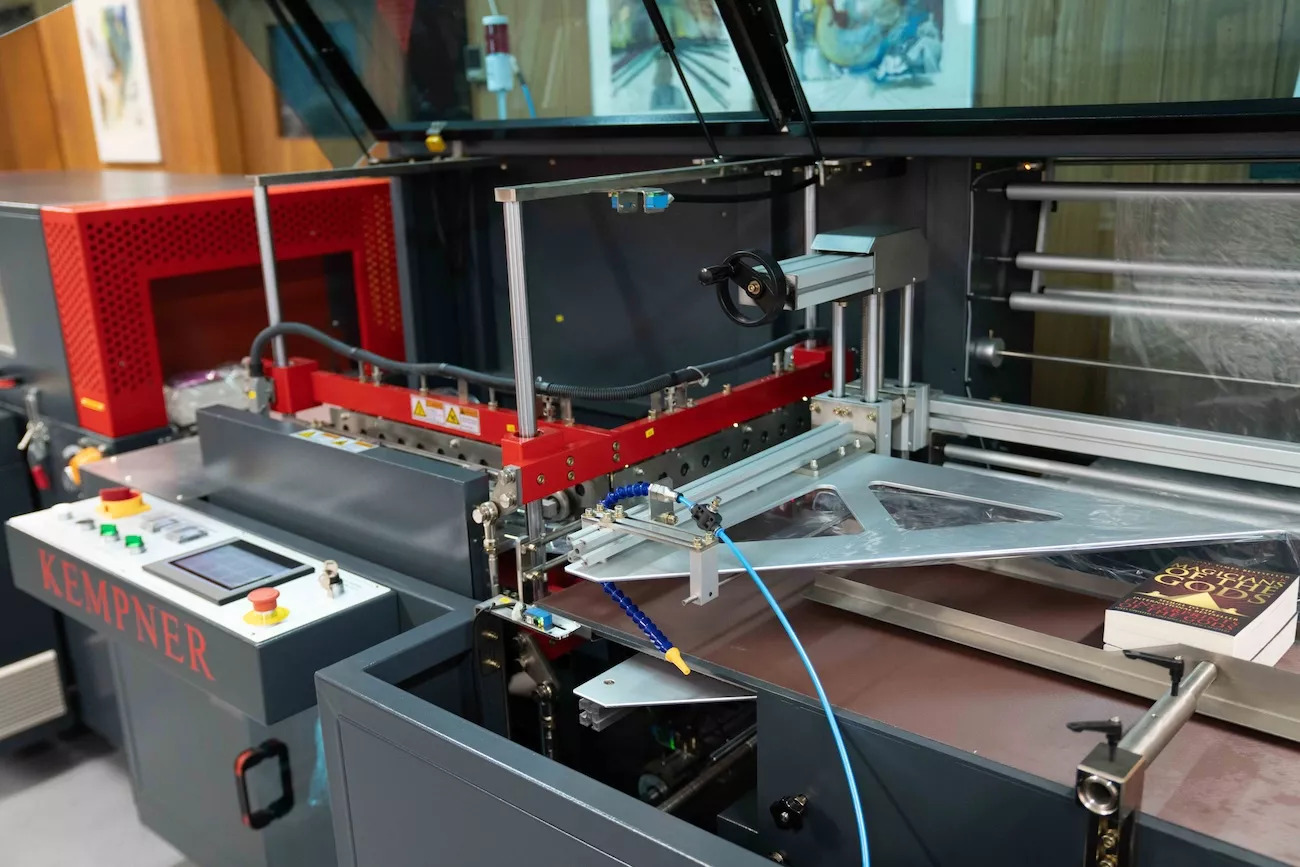
Our machines are designed to be simple to use, with operators placing products into the film and initiating the sealing process, after which the system automatically transfers packs into the shrink tunnel for a consistent finish. The SLM 4055T offers a compact monoblock design, combining an L sealer and shrink tunnel in one unit, making it ideal for print environments where space is limited but performance is essential. For businesses with varying product sizes, our modular L sealer range provides flexibility, whilst vertical seal head options allow for taller stacks of printed materials to be processed with ease.
We also focus on long-term value, offering competitive pricing alongside durable machines that are built to perform consistently day after day. Our systems are engineered for low energy consumption and compatibility with recyclable and compostable films, supporting more sustainable packaging practices. Backed by expert advice and ongoing customer support, Kempner makes sure that printing and publishing businesses can package their products efficiently, protect their quality, and maintain a professional finish at every stage. To find out more about our semi-automatic shrink wrapping machines and other solutions, feel free to browse our website. Alternatively, you can email sales@kempner.co.uk or call 020 8952 5262 if you require any assistance.
End Summary
In the printing and publishing industry, packaging is a crucial part of ensuring that products maintain their quality, appearance and value from production through to delivery. Semi-automatic shrink wrap machines provide a practical solution that bridges the gap between manual processes and full automation, offering the flexibility needed for varied print jobs alongside the consistency required for professional results.
By improving protection, maintaining presentation and streamlining workflows, these machines help businesses reduce damage, minimise waste and operate more efficiently. For print companies handling diverse products and fluctuating volumes, they offer a reliable and cost-effective way to enhance packaging without overcomplicating operations. Ultimately, investing in the right packaging solution can make a significant difference, not just in how products are delivered but also in how a business performs overall.